Engineered Software,Engineered to Scale
We specialize in custom web applications and SaaS platforms, supported by one senior team for design and AI.
Web Applications & SaaS Platforms
Production-grade custom web applications, SaaS platforms, and AI-powered tools. We design, engineer, and ship products built to scale. From MVP to enterprise.
Go deeper:SaaS developmentWeb app development
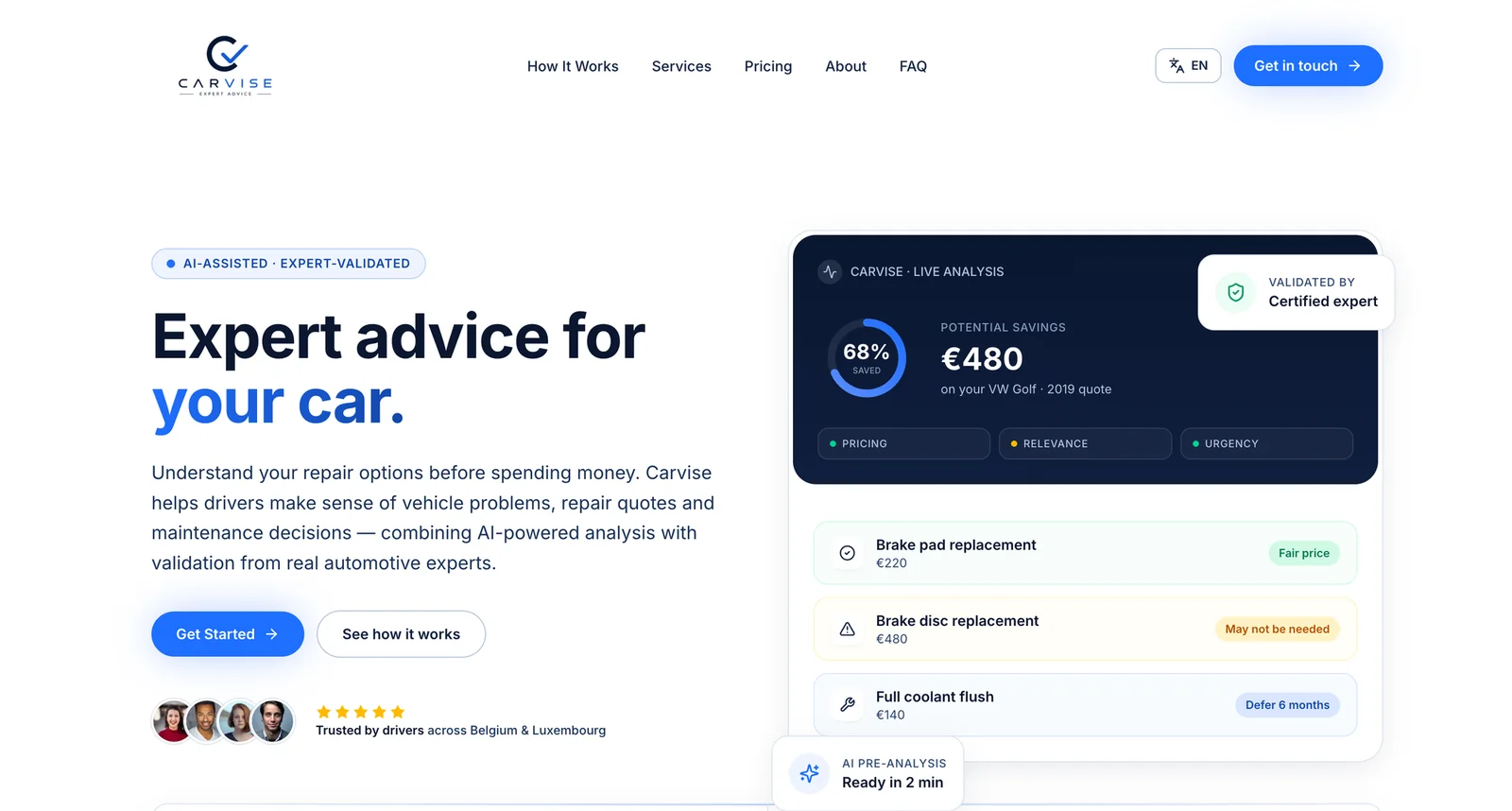
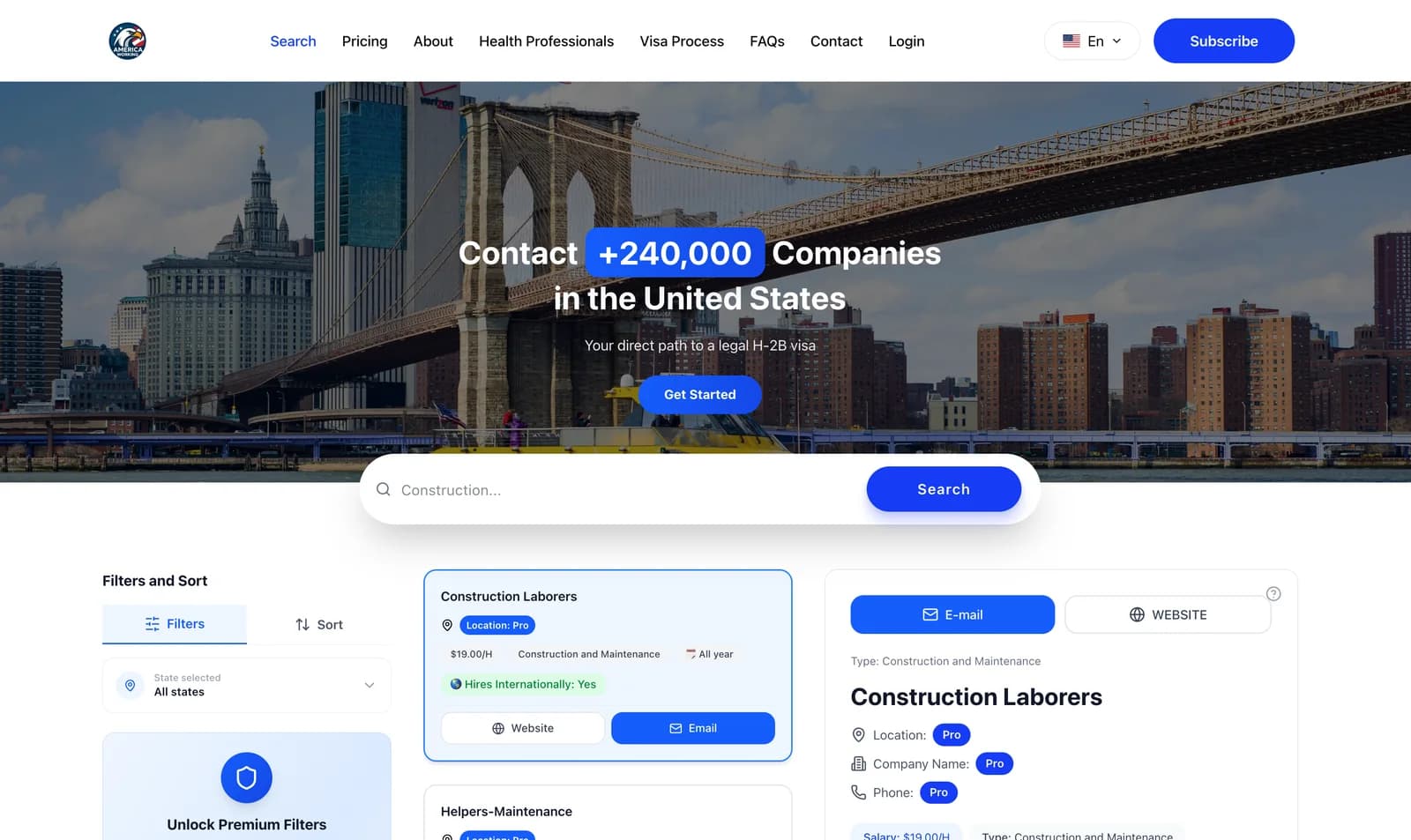
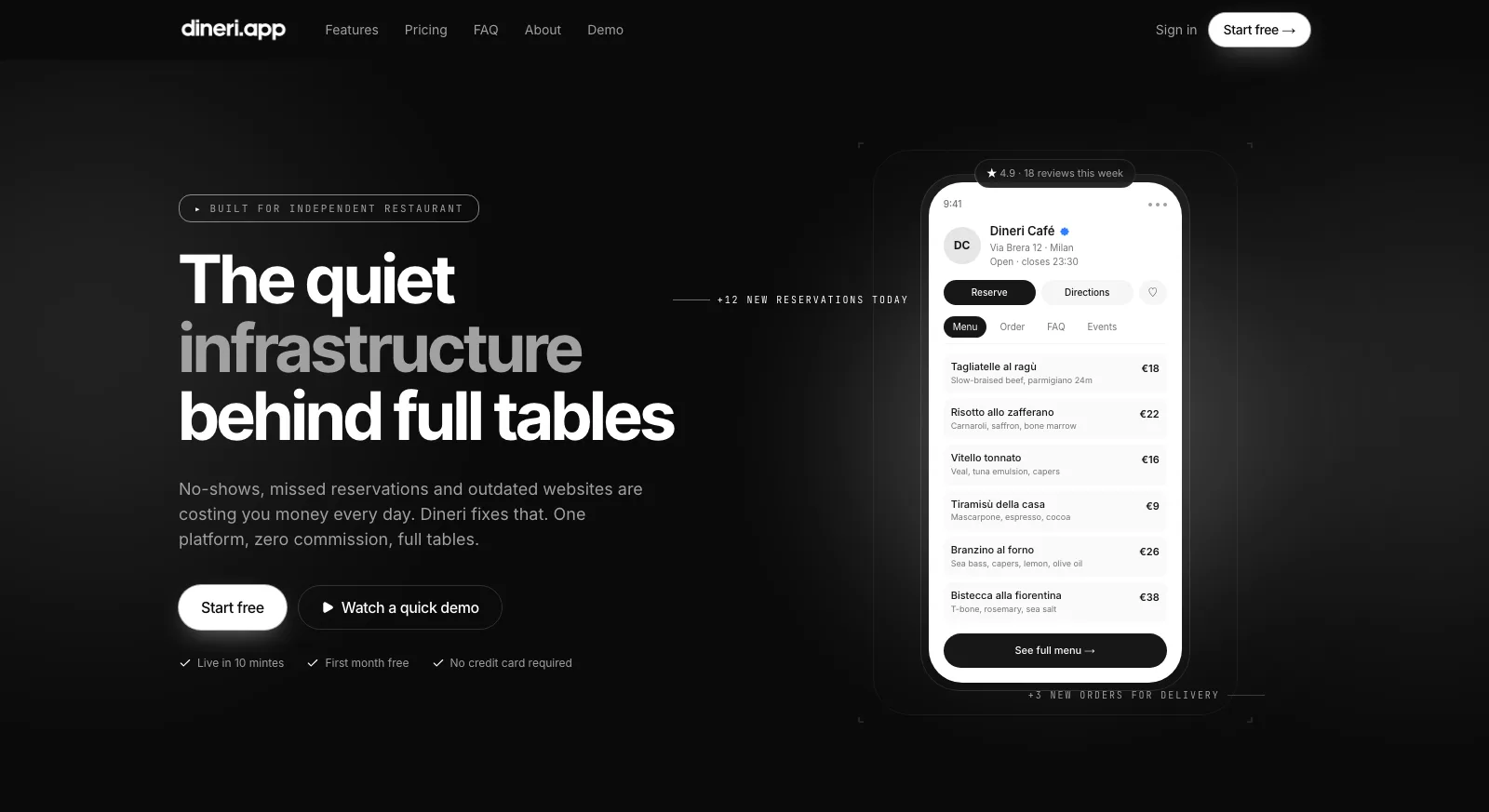
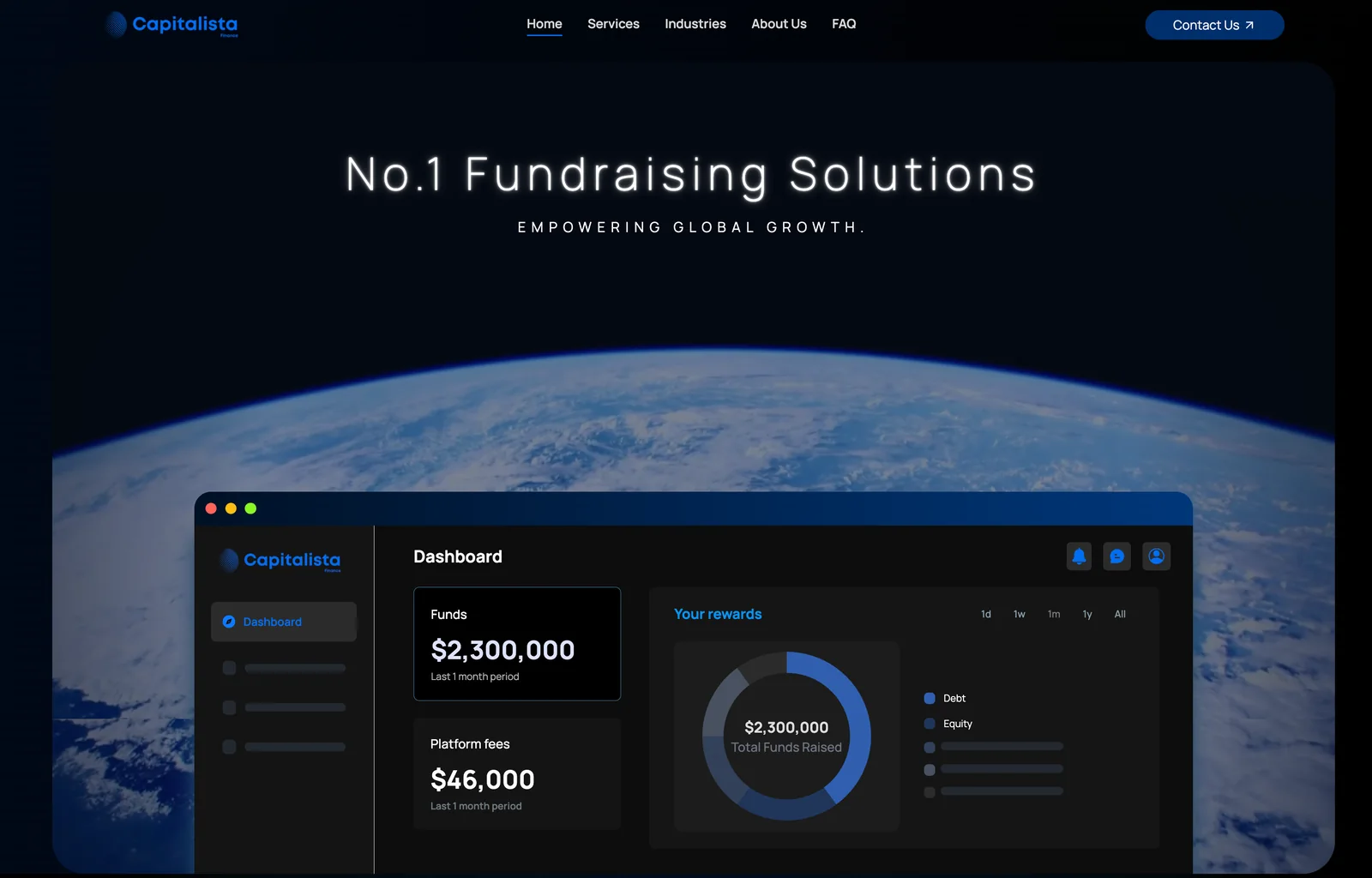
Automotive · AI Advisory SaaS
Carvise
- What we build
- Multi-tenant SaaS architectureStripe billing, subscriptions, and Connect payoutsReal-time dashboards and reportingData migration and custom ETL pipelinesAI features built on the OpenAI APIMulti-language builds and edge-cached delivery
- What you get
- A fixed scope agreed before we startDocumented, production-ready code you own outrightDirect access to the engineers doing the work
AI Development
AI-powered features, automation, and intelligent workflows.
- OpenAI / LangChain integration
- RAG & vector search
- Custom model fine-tuning
- Predictive analytics
- Autonomous multi-step agents
- CRM & Slack integrations
- Document processing
- Lead qualification bots
Product Design (UI/UX)
Product design built for the engineering it ships with. Not throwaway mockups.
- User research & wireframing
- Design systems & tokens
- Interactive prototyping
- Usability testing
Find the build that fits.
Each service has its own page: what we build, how a project runs, the case studies behind it, and the questions buyers ask first.
From first call to production in weeks, not quarters.
A typical MVP ships in 6–8 weeks. Full production SaaS with payments and admin tooling takes 10–14. The timeline is fixed before we start.
- 01Week 0
Discovery call
A 30-minute call with the founder. We map scope, risks, and what launch means for you. NDA signed before anything sensitive is shared.
Fixed-scope, fixed-price proposal
- 02Week 1
Design
Flows and UI designed in Figma, built for the engineering it ships with. You approve before a line of production code is written.
Clickable Figma prototype
- 03Weeks 2–8
Build
Senior engineers ship in weekly increments. You test every change on a live staging URL and get a written update each week.
Weekly releases on staging
- 04Launch
Launch & handover
Production deploy, documentation, and an architecture overview. The code, design files, and IP are 100% yours.
Your repo, your infra, your IP
The tools we build with.
19 tools, and the honest reason we picked each one. No logo wall of things we touched once.
Design & Frontend
What the people using your product actually see and touch.
Figma
Where layout and spacing get argued out before anyone writes a component. Shared tokens mean the build matches the design instead of approximating it.
Next.js
Server rendering by default, so pages arrive as HTML instead of a loading spinner. Every page of this site is pre-rendered, including this one.
React
The component model the whole team already thinks in. Hiring for it is easy, and the ecosystem answers most problems before we write code.
TypeScript
Run in strict mode on every project. It turns a class of runtime bugs into build failures, which is the cheapest possible place to find them.
Tailwind CSS
Design tokens live in one file, so a brand change is one edit rather than a hunt through stylesheets. Nothing unused reaches production.
Radix UI
Accessible primitives for the components everyone gets subtly wrong. Focus traps, keyboard handling, and ARIA arrive correct.
Framer Motion
Motion that respects `prefers-reduced-motion`. Animation should be a finish, never a barrier.
Backend & Data
Where the product keeps its promises after the tab closes.
PostgreSQL
Relational, boring, and unbreakable. It handles real constraints and real reporting without a second system bolted alongside.
Next.js API Routes
One deployment, one language, one set of types shared between client and server. Fewer moving parts to keep in sync.
Upstash Redis
Rate limiting that works across serverless instances. In-memory counters quietly stop limiting anything the moment you scale past one.
AWS S3
Durable object storage for uploads and media, kept off the app server so file growth never becomes a deploy problem.
AI & Integrations
The third-party surfaces that must not fail quietly.
OpenAI
Powers the features where language is the interface. On Carvise it reads repair quotes and tells an owner what they are actually paying for.
Retrieval & Embeddings
Vector search over a client's own content, so answers cite real documents instead of improvising.
Stripe
Subscriptions, multi-currency, and Connect payouts. Webhook reconciliation means a dropped event never turns into a wrong balance.
Resend
Transactional email with templates we control. Every send is recorded against the lead, so a failure is visible rather than silent.
Ship & Operate
The unglamorous half that decides whether a launch holds.
Vercel
Edge-cached static pages, preview deploys on every branch, and rollbacks that take one click.
GitHub Actions
Typecheck, lint, tests, build, and a production dependency audit on every push. Broken code does not reach a branch we deploy.
Vitest
Fast unit tests on the logic that would hurt most if it broke: validation, escaping, rate limits, lead capture.
pnpm
Strict, content-addressed installs. A lockfile that means the same thing on a laptop and in CI.